Sep 18, 2026
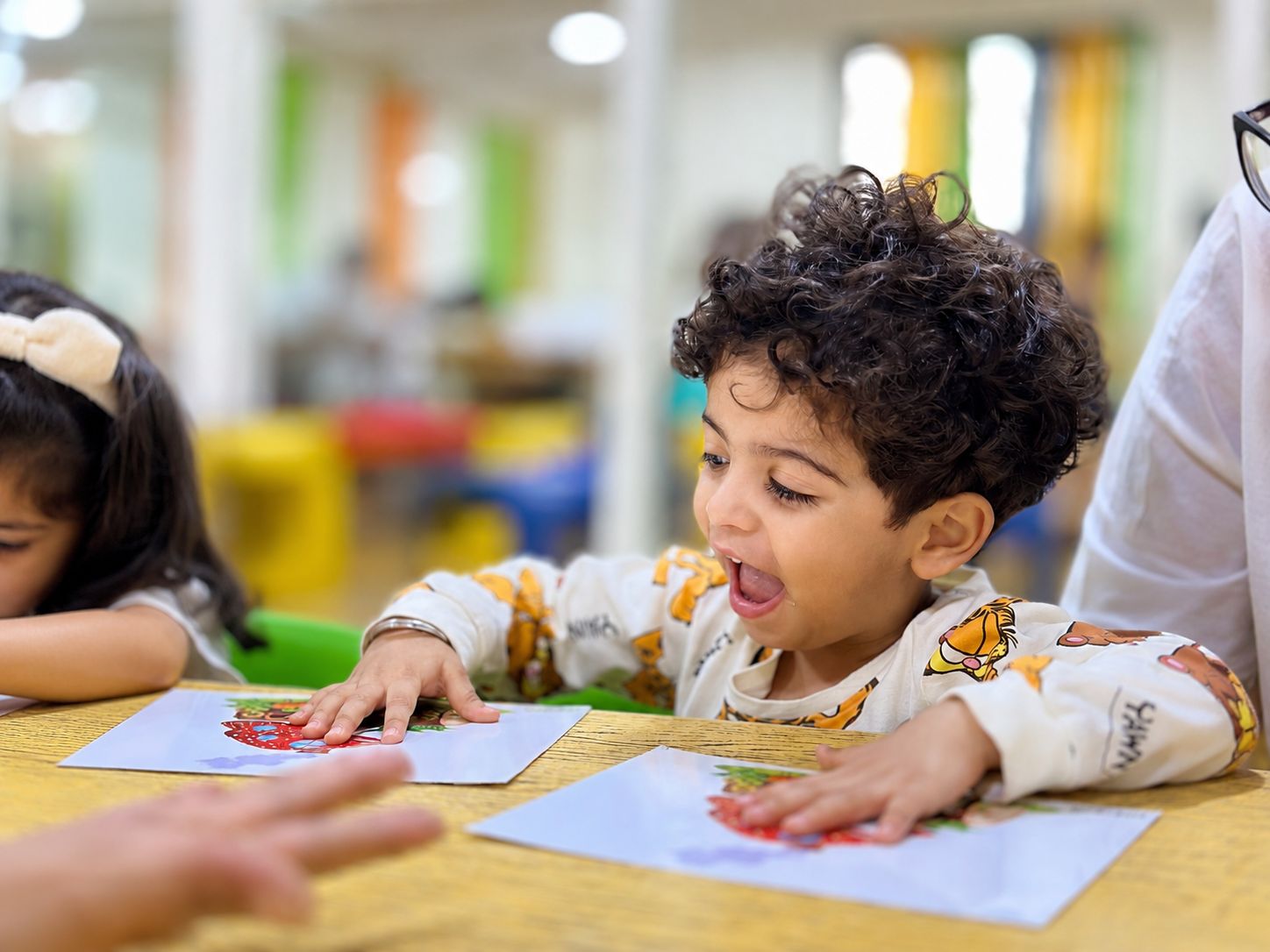
Flashcards are one of the simplest toys in the room: a small stack of cards with a picture, word or number on them. But in the hands of a curious

Every Navi Mumbai parent is trying their best for their child. You are spending hours shortlisting preschools in Kharghar, looking for activity classes in Vashi, planning for playdates in Belapur, and making
That’s your child’s early years for development. Between birth to age of 7, your child’s brain is doing something that it will never do again. It is forming millions of neural connections that shape how your child thinks, feels, remembers and learns for the rest of their life
This blog is not focused on pressurising or stressing you out, but just to inform you about the timings, the window is currently open, and it doesn’t last forever.
WHAT ACTUALLY HAPPENS IN THE FIRST 7 YEARS?
The first 7 years of a child’s brain development are the most crucial because this period is important for forming the foundation of development. This window is also called the critical window. The brain forms over 1 million neural connections, which build the foundation of all future learning, memories, and emotions.
Let us look closely at each developmental stage-
1) MOTOR SKILL AND SENSORY GROWTH
In the first two years, babies learn about the surroundings through touch, movement, sound and a lot of different experiences that are happening around them. This is also the stage where skills like fine motor and gross motor skills begin to develop.
It starts with some simple things like reaching out for something, trying to hold your hand, rolling over, and slowly these simple moments turn into sitting, crawling, standing and discovering.
Every texture, the touch, every sound they hear and respond to helps the brain make new connections, even before this week, they’re constantly learning through their senses and experience.
2) THE LANGUAGE EXPLORERS
When we talk about early childhood, one of the most exciting things about it is also language development between the ages of 1-3 babies slowly move from babbling on words to saying their first words like mom, dad, dog and pointing out the things they want. By the age of 3, these simple words start turning into big sentences and questions and little conversations, and a single word slowly becomes their way of expressing or conversing.
3) FUNCTIONING AND SOCIAL AWARENESS
As children grow, they slowly become socially aware. They start sharing, making friends, expressing emotions and learning how to navigate through everyday social situations. Through this moment, emotional understanding gradually starts to develop
This is also the stage when children begin to understand simple cause and effect, and start to realise that their actions lead to some reactions, helping them make sense of the world and take their four steps to logical thinking and reasoning
4) SYNAPTIC PRUNING
Between the ages of 5 and 7, a child’s brain goes through an important stage of development where it starts forming connections and crossing out the one which aren’t used.
In the early years, your brain creates countless neural connections through different experiences. As children grow, the brain begins organising this connection more efficiently, which helps them to become sharper and more focused
This brings noticeable changes like they have better self-control, their Motor skills are improved, they have a stronger focus, and they become more independent learners.
WHAT THIS CAN LOOK LIKE IN REAL LIFE
Two children who are of the same age group and grow up in a similar environment, but that early experience can drastically shape how they interact with the world
A child who has had consistent learning experiences that focused on holistic development from an early age may often have better focus and confidence, they Express the emotions clearly they approach problems creatively and build social connections
These differences do not tell us that one is being smarter than the other, but it is just about the kind of experience they have received, which supports the child for the future.
WHAT GOOD EARLY LEARNING ACTUALLY LOOKS LIKE
When we talk about good early learning, it’s not just about the qualIty, it’s about giving them the right experience during the most crucial time when the brain is growing the fastest
The best programs usually start early because children learn the most through experience. In the first few years, the focus is on a small group where every child gets personalised attention. The activities are also built to enhance different skills like memory, focus, curiosity and creative thinking
And the most important part of good learning is that it should not feel stressful for a child but it should be joyful and engaging for a child, because children tend to keep good experience is with them, which are necessary for their development.
This is exactly what Tickle Right is built around.
Tickle Right is a global skill-building program for kids aged 6 months to 7 years with centaurs in Kharghar, Vashi and Belapur. Every session is designed around early childhood brain development, with 20 to 25 different activities in each class. The session consists of 6 children with two trainers who ensure personalised attention. Parents are also welcome to be a part of their child’s learning journey.
CONCLUSION
Your child’s brain is doing something extraordinary right now that is building the right foundation For they are future. The Window of their crucial years is open right now, but won’t be open forever.
You don’t need to search through millions of lists or ask everyone; you just need to know that the right thing exists, which makes it count.
Tickle Right’s early childhood development program in Navi Mumbai was built exactly for this. If you are a Navi Mumbai parent wondering whether you are doing enough for your child, we’d love to show you what’s possible.
Join us for an orientation-
Visit us at our centres in Vashi, Belapur or Kharghar to understand about your child’s development and what Tickle Right’s unique approach can do for them. Register at www.tickleright.com or call 98331 52156.
FREQUENTLY ASKED QUESTIONS
What is the right age to start a brain development programme?
The early years, i.e., from birth to 7 years, are the most crucial years of your child’s development, which is why starting early can make a big difference. Tickle Right begins from 6 months when children are naturally absorbing information through their experience and interaction in the surroundings, but even if your child is 4 or 5 years, you can still begin with a right development program
What is right-brain education for toddlers?
Right-brain education generally focuses on learning through creativity, music, movement, and sensory experience. During the early years, children learn best when they feel learning is joyful and interactive for them.
How do I know if my child is getting the right learning experiences?
Children often show signs of healthy brain development through small moments, such as when you may notice they are becoming more curious about things, they start to remember things, they ask you questions and explore independently. So a right learning environment for them is usually where they feel they are engaged and free to explore.
What are the best toddler activity classes in Navi Mumbai?
The best toddler programmes are usually the ones that truly understand early childhood development. Look for small group sizes, meaningful activities, trained educators, parent involvement, and sessions that focus on creativity, communication, memory, movement, and overall development.
Is early childhood education different from preschool?
Yes, preschool mainly focuses on the academic part, like preparing them for school routines and academics. While early childhood programs focus on the holistic development of your child, like building attention, emotional confidence, creativity, curiosity and skills through play-based experiences.